


How to Start Learning the Share Market in Pune: A 7-Step Beginner Roadmap
From your first market concept to a small, carefully planned trade: learn the foundations in the right order, with risk awareness at every stage.
✍️ Written by Kalyani Pagar, Trainer at ProfitMax Academy, Pune

If you live in Pune and want to learn the share market, the hardest part is knowing where to begin. This roadmap takes you from zero to your first small, well-planned trade, in an order designed to help you understand and manage risk.
Your 7-Step Share Market Learning Roadmap
Follow the road below, one milestone at a time. Each step builds on the one before it.
Set a clear goal
Decide whether you want to invest for long-term wealth, develop a side skill, or explore full-time trading later. Your goal helps determine your time commitment and capital.
Learn the basics first
Understand shares, Nifty and Sensex, mutual funds, NSE and BSE, market timings, demat and trading accounts, brokers, and market, limit and stop-loss orders.
Open a demat & trading account
Choose a SEBI-registered broker. Compare fees, usability and support. Common KYC documents include PAN, Aadhaar and bank details; exact requirements vary.
Read charts & businesses
Learn candlesticks, trends, support and resistance. Study company earnings growth and debt to understand businesses, not just price movement.
Manage risk before strategy
Plan a stop-loss before entering. Keep risk per trade small and never use money set aside for rent, EMIs or emergencies.
Build a simple trading plan
Write down your entry rules, stop-loss, position size and exit before every trade. Keep a journal of each trade and review it regularly to learn from what worked and what did not.
Start small with real money
Only when ready, begin with money you can afford to lose. Prioritise following your plan, and increase size only after sustained discipline.
Put the Steps into Practice

Start with understanding, not predictions
Before placing orders, learn what you own, how exchanges work and why prices move. Avoid rushing into complicated products.

Choose your broker carefully
Compare account charges, brokerage, ease of use and customer service. Verify that the broker is SEBI-registered and review its current documentation requirements.
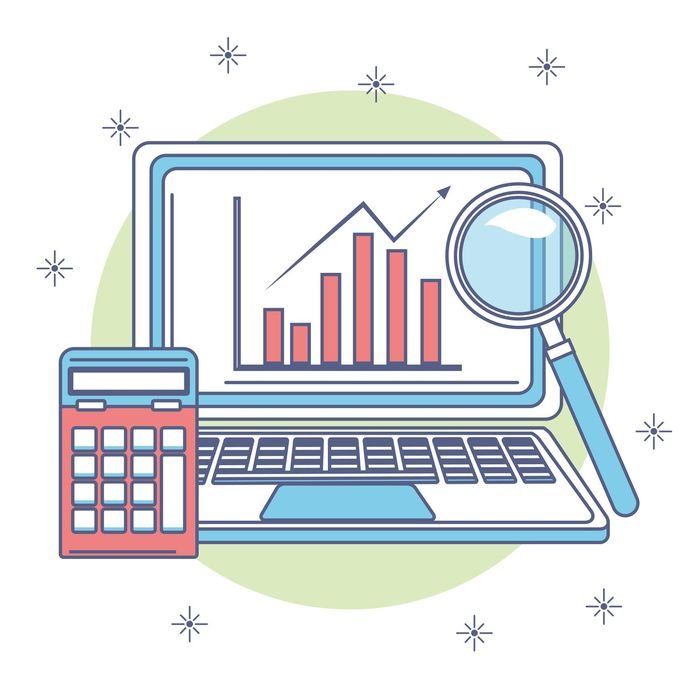
Combine chart reading with business research
Study trends and support/resistance alongside company fundamentals such as earnings growth and debt. Neither method removes market risk.
Risk First: Protect Your Capital

Three rules before your first trade
- 🛑Decide your stop-loss first. Plan your exit before you enter, not after the price moves.
- ➗Keep risk per trade small. Risk only a small, fixed percentage of your capital.
- 🏠Protect essential money. Never trade with money set aside for rent, EMIs or emergencies.
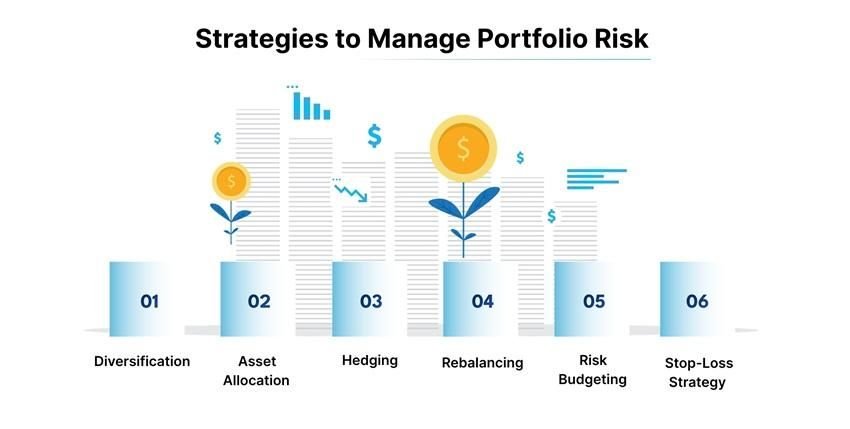
Risk management has many tools
As you advance, you will meet ideas such as diversification, asset allocation, hedging, rebalancing, risk budgeting and stop-loss strategies. Learn the simple ones first and use them on every trade.
Illustrative graphic. Currency symbols are generic.
Build a Simple Trading Plan
For Step 6, put your rules on paper before you trade, and record every trade afterwards.

Write it down
Note every trade and why you took it. The journal is where learning happens.
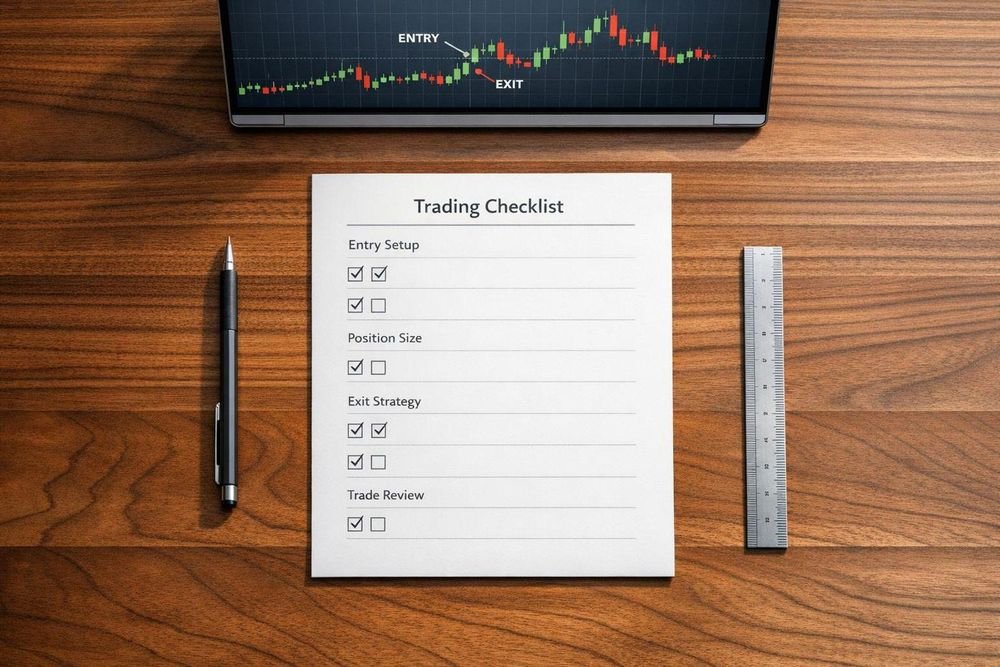
Use a checklist
Entry setup, position size, exit strategy and trade review: tick each one before and after every trade.
Start Small with Real Money

Small steps, steady discipline
- 💰Begin with an amount you can afford to lose.
- 📋Focus on following your plan, not on making money quickly.
- 📈Increase size only after a steady period of disciplined trading.
Why Learning Locally in Pune Helps
🏫 Classroom interaction
- Ask questions face to face.
- Meet other learners and exchange experiences.
- Observe live market practice with a trainer during market hours.
⚠️ Mistakes to Avoid
- Following social media or messaging-group tips blindly.
- Trading futures and options before understanding the risks.
- Believing courses that promise guaranteed profits.
Frequently Asked Questions
Do I need a demat account to start learning?
No. You can learn market concepts and build your understanding before opening a real trading account.
Can beginners learn the share market in Pune?
Yes. Start with basic concepts and risk management before considering real-money trades.
Is trading profit guaranteed after a course?
No. All trading and investing involve risk, and educational programs cannot guarantee returns.
Ready to Start Learning the Share Market?
Explore the stock market classes at ProfitMax Academy in Deccan, Pune, and speak with the team about a suitable learning path.
Explore Our Share Market Courses →
Disclaimer: This article is for education only and is not investment advice. Trading and investing involve risk, and returns are never guaranteed. The images are illustrative and do not depict actual ProfitMax facilities or students.
ABOUT THE AUTHOR
Kalyani Pagar is a trainer at ProfitMax Academy, Pune, where she teaches share market basics, technical analysis and risk management to beginners and working professionals.
Frequently asked questions
How do I start learning the share market in Pune as a beginner?
Start with the basics: what shares are, how exchanges and orders work, and the key terms. Then open a demat and trading account, learn to read simple charts, understand risk management, write a basic trading plan and practise with very small amounts before going further.
How much money do I need to start learning the share market?
There is no fixed amount. Learning comes first, and you can build knowledge before putting money in. When you do start, begin small and use only money you can afford to lose.
Can I learn the share market on my own?
Yes, many people begin with free books, videos and market news. A structured course with a trainer can help you avoid common early mistakes, get your doubts answered and practise in a guided way. Classroom options are available in Pune.
How long does it take to learn the basics of the share market?
It depends on your time, background and consistency. Be cautious of anyone who promises a fixed timeline for earning profits. Focus on understanding the concepts and managing risk first.
Is the share market risky for beginners?
Trading and investing involve risk, and returns are never guaranteed. This article is for education only and is not investment advice. Learning risk management before you trade is one of the most useful steps you can take.
Related reading from ProfitMax Academy
- Weekday or Weekend Share Market Batch in Pune: Which Fits You?
- Share Market Course Fees in Pune: What to Check Before You Pay
- Share Market Classes in Pune at ProfitMax Academy
- Intraday vs Swing Trading for Beginners in Pune
- 7 Common Mistakes New Traders Make (and How to Avoid Them)
- Short-Term Trading vs Long-Term Investing: Which Suits You?
- Why More People in Pune Are Learning the Share Market
- Technical Analysis for Beginners: A Simple Guide
- Best Stock Market Books for Beginners & Traders (7 Must-Reads)
- How to Choose an IPO: A Simple Checklist for Beginners
- Demand & Supply Zones in the Stock Market